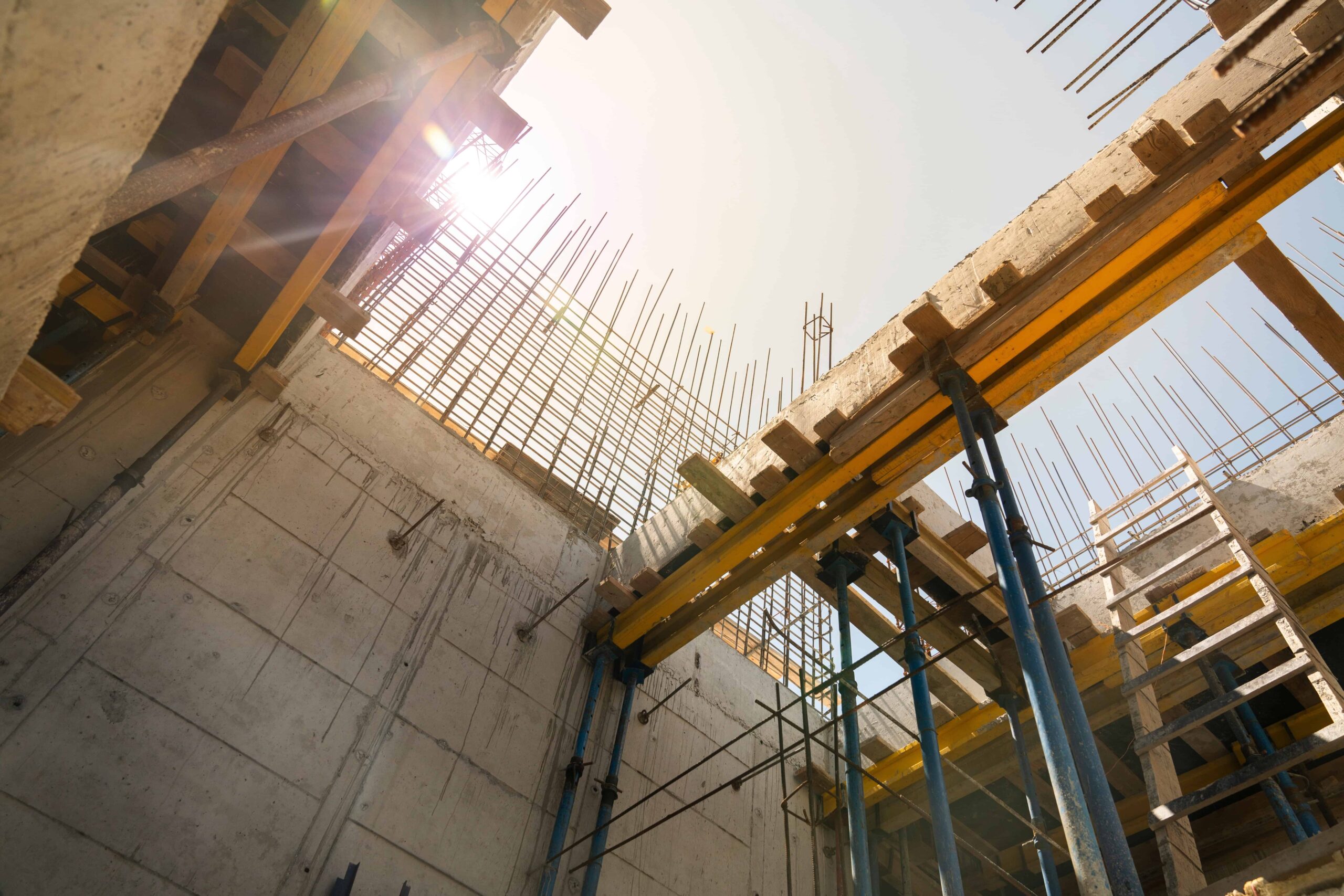
For any new build residential or mixed-use development, a structural warranty is a central component of risk transfer. For developers, housing associations and institutional investors, it supports asset protection, lender confidence and long-term portfolio performance.
Effective risk transfer on residential developments depends on understanding how structural warranty policies function, how they compare with latent defects insurance and how lender expectations are shaped by UK Finance guidance. These factors materially influence procurement and governance decisions.
A structural warranty may be relevant where a new residential development requires long-term protection against major structural defects, or where funders, purchasers or future owners expect a recognised warranty arrangement. The need for a warranty will depend on the scheme, its funding structure and the intended ownership model. Read When Do You Need a Structural Warranty? to understand when a warranty may be appropriate for a development.
What Is a Structural Warranty?
A structural warranty is an insurance-backed policy designed to protect against the cost of remedying latent structural defects in newly completed buildings. It is typically arranged prior to or during construction and runs for either a 10 & 12 year structural warranty period depending on project and provider.
In residential development, structural warranties are often required to satisfy mortgage lender requirements. They provide comfort that if specified structural elements fail due to defects in design, materials or workmanship, there is an insurer-backed mechanism to fund remedial works.
Although often grouped together, structural warranty and latent defects insurance are not always identical in structure. The terminology is frequently used interchangeably, but policy wording, technical audit processes and claims triggers can vary between providers.
How a 10 & 12 Year Structural Warranty Typically Works
Most structural warranty policies operate in two phases.
During the initial period following completion, often the first two years, the developer is primarily responsible for rectifying defects. If the developer becomes insolvent, the insurer may step in to meet valid claims in accordance with policy terms.
From year three to year 10 or 12, the policy typically provides direct insurance protection for defined structural elements. This commonly includes foundations, load-bearing walls, structural frame and certain weatherproofing elements. The precise scope depends on the provider and policy wording.
For lenders, clarity on the start date of cover and the duration is critical. UK Finance guidance indicates that lenders will typically expect a minimum 10-year period, with clearly defined inception and expiry dates. However, individual lenders retain discretion over acceptance.
Structural Warranty vs Latent Defects Insurance
Latent defects insurance is a broader term describing insurance against hidden defects in construction. A structural warranty is a specific form of latent defects insurance commonly used in residential development.
In commercial developments, policies may be structured differently, with bespoke limits and claims thresholds aligned to investor requirements. In contrast, residential structural warranty products often follow a more standardised framework to align with lender expectations and consumer protection standards.
For mixed-use schemes, careful consideration is required to ensure that residential and commercial elements are appropriately covered. The policy structure should reflect tenure mix, funding strategy and long-term asset management objectives.
What Lenders Typically Expect
UK Finance guidance sets out common expectations regarding acceptable new build warranty arrangements. While not legally binding, it informs lender practice across the UK mortgage market.
Lenders will typically expect:
- A minimum 10-year period of cover
- Clear identification of the named insurer
- Evidence of insurer financial strength
- Cover extending to subsequent owners and mortgagees
- Defined protection against structural failure and weather ingress
Many lenders also expect reinstatement cost provisions to reflect recognised indices and clarity on excess levels. Where retrospective cover is required, lenders may expect evidence of Building Regulations compliance and a comprehensive risk-based assessment.
Meeting these expectations does not guarantee lender approval, as each lender retains discretion. However, it is important to understand these benchmarks when choosing a structural warranty provider.
Technical Audit and Underwriting
A structural warranty is not simply a post-completion insurance product. It is typically underpinned by a technical audit process during construction.
Warranty providers often appoint surveyors or engineers to review design documentation, inspect works on site and confirm compliance with defined technical standards. This process can influence programme sequencing and requires coordination with design and contractor teams.
The depth and frequency of inspection vary between providers. Developers should understand these differences when comparing policies, particularly on higher risk or high-rise buildings where scrutiny is heightened.
Scope of Cover and Common Exclusions
Policy wording defines what is and is not covered. Structural elements are usually defined with reference to load-bearing components and specified envelope features.
Common exclusions may include:
- General wear and tear
- Defects arising from lack of maintenance
- Certain mechanical and electrical systems
- Non-structural finishes
Careful review of exclusions is essential. Two 10 & 12 year structural warranty policies may differ materially in scope, even if headline descriptions appear similar.
Financial Strength and Provider Structure
The financial standing of the insurer is a critical consideration. Lenders will typically expect the named insurer to be appropriately authorised and supported by recognised financial strength.
Developers should also understand whether the warranty provider operates through a direct insurer model or via delegated underwriting authority. Clarity on claims handling arrangements and reinsurance structure contributes to overall risk assessment.
Selecting a provider based solely on premium without assessing financial robustness may create long-term exposure. Read What Happens If You Choose the Wrong Structural Warranty? for further guidance on the wider implications of selecting an unsuitable warranty arrangement.
Procurement and Governance Considerations
For housing associations and publicly funded developers, structural warranty selection sits within a broader procurement framework. The Procurement Act 2023 places greater emphasis on documented market testing, proportionality and defensible decision making.
In this context, a whole of market comparison supported by structured evaluation criteria may be appropriate. Factors such as scope of cover, inspection regime, financial strength and lender acceptance history should form part of the assessment.
Clear documentation of the decision-making process supports board governance and audit resilience.
Higher Risk and High-Rise Buildings
Higher risk residential buildings are subject to enhanced regulatory scrutiny under the Building Safety Act. Structural warranty providers may apply additional underwriting criteria, particularly in relation to height, fire strategy interfaces and façade systems.
Early engagement with insurers is advisable to test appetite and avoid late-stage conditions that could affect programme. Alignment between warranty technical review and gateway sequencing supports smoother project delivery.
When to Arrange a Structural Warranty
Structural warranties are typically arranged during the design development stage, prior to commencement of significant construction works. Early placement ensures that technical audit requirements can be integrated into the programme.
For completed schemes without cover, retrospective latent defects insurance may be available subject to detailed technical assessment. However, underwriting conditions are often more stringent and lender expectations remain high.
Securing the Right Cover for Your Development
A structural warranty is a long-term risk instrument extending well beyond practical completion. Its selection should reflect project complexity, funding structure and long-term asset strategy.
Understanding lender expectations, technical audit requirements and policy wording distinctions is essential when comparing providers. For complex residential and mixed-use schemes, structured evaluation and early engagement reduce risk and support defensible decision making.
Contact LBB for guidance on structuring and comparing structural warranty and latent defects insurance solutions appropriate to your development.